The Anonymous Internet Is Breaking Trust: Why Accountability Matters Now More Than Ever
By Rahul, Founder – Philonet.ai
"Internet is not safe anymore. I've stopped posting things on social media."
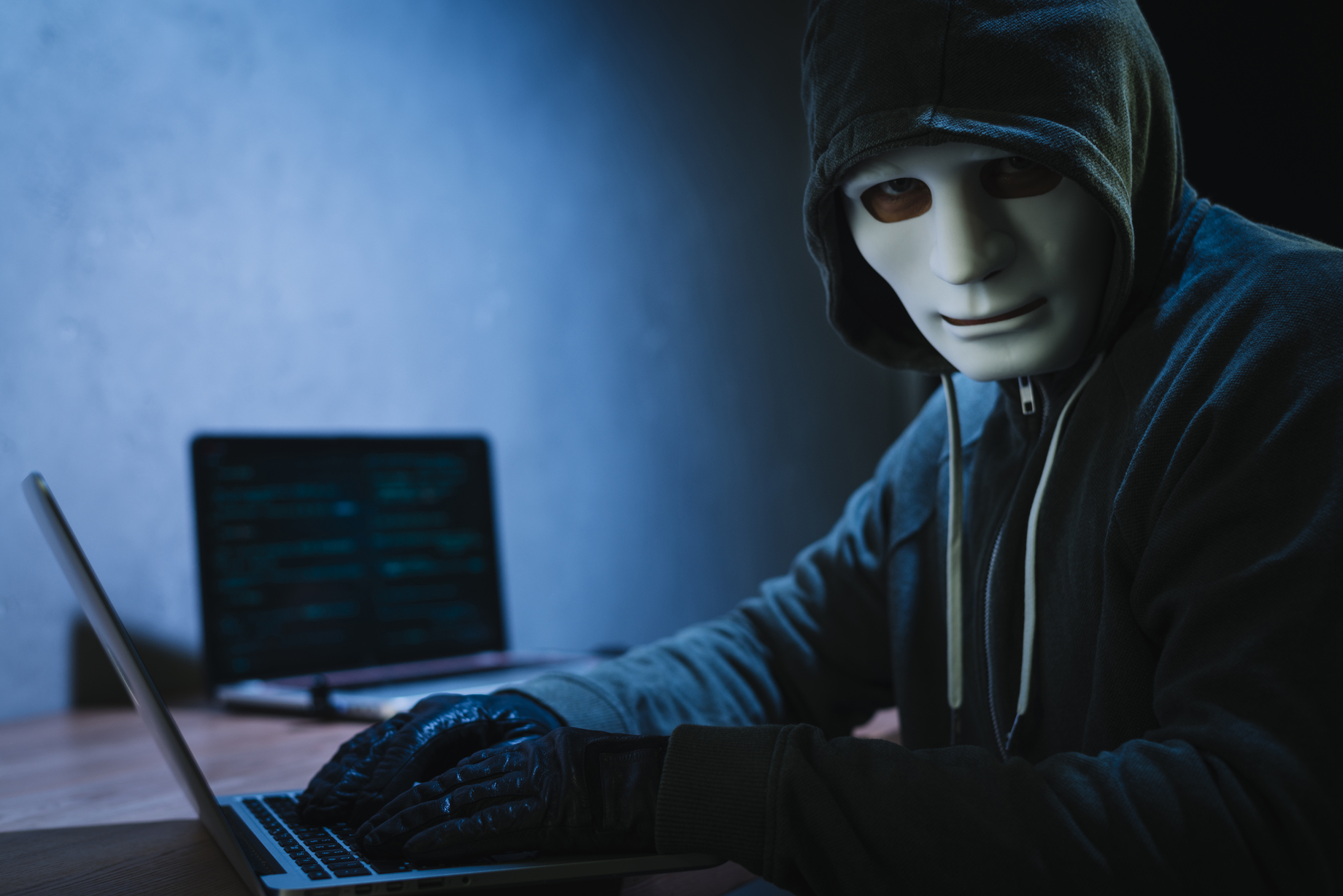
This is a line I've been hearing from friends repeatedly over the past two to three years. Not from people who are paranoid or disconnected but from thoughtful individuals who once actively participated in online conversations. When I started digging deeper into why, one theme kept surfacing again and again: anonymous and pseudonymous platforms are fuelling a growing wave of discontent and harm across our digital society.
The Real Problem Isn't What You Think
Let me be clear about something: this isn't primarily about AI bots flooding platforms with synthetic content, or frustrated individuals venting their anger into the void. Those are symptoms, not the disease.
The real problem is legitimization. Publishers and mainstream media outlets have developed a troubling habit of picking up anonymous posts, tweets, Reddit threads, forum comments and amplifying them without any verification of the source's credibility or authentic identity. False information that starts as an anonymous claim suddenly becomes "news." It gets headlines. It shapes narratives.
And here's what makes it particularly insidious: there's rarely any accountability for what happens to the people targeted in those posts. A faceless account can make serious allegations, and within hours, it's being discussed on television as if it were established fact.
The Silent Majority Who Believe What They Read
Some of us have learned to be skeptical. We cross-reference, we check sources, we question the provenance of information. But we're the exception, not the rule.
Most people encounter information and accept it at face value, especially when it appears in seemingly legitimate news outlets or is shared by people they trust.
This is how worldviews get distorted. How opinions form on shaky foundations. How society slowly fractures along lines drawn by anonymous actors who face zero consequences for the chaos they create.
The victims of this phenomenon are starting to speak up. People whose reputations have been damaged, whose lives have been disrupted, are publicly calling out media organizations for treating anonymous platform posts as credible sources. They're asking the uncomfortable question: Why are we taking seriously what faceless accounts claim, without considering the real humans who bear the consequences?
AI Amplifies Everything—Including the Problem
And now, we have AI in the mix. The discontent isn't just growing, it's accelerating.
We've reached a point where distinguishing between content created by humans and content generated by AI has become genuinely difficult. An anonymous account could be a real person with genuine grievances, a bad actor with an agenda, or an AI system programmed to sow discord. Often, you simply cannot tell.
This raises an uncomfortable question: Do anonymous platforms really have a place in a world where AI-generated and human-generated content are becoming indistinguishable?
Governments around the world seem to be leaning toward "no."
The Regulatory Response Is Already Here
We're witnessing a global shift in how authorities approach online accountability:
Phone number requirements are being pushed for messaging apps, creating at least a basic layer of identity verification. Social media bans for under-16s are being implemented or considered across multiple countries, a direct response to the harms that unaccountable platforms inflict on young people. Governments are attempting to take control of algorithmic recommendations, pushing for transparency in how content gets surfaced and amplified. And there's increasing pressure for accountability for online behaviour,the idea that what you say online should carry real world consequences.
These aren't fringe proposals from authoritarian regimes. They're happening in democracies, often with broad public support. People are tired of the wild west.
But Regulation Alone Isn't the Answer
Here's where it gets complicated. Heavy handed regulation risks stifling legitimate speech, creating surveillance states, and pushing communities to even darker corners of the internet. There's a real tension between accountability and freedom, between safety and expression.
What we actually need isn't just government intervention but it's a fundamental rethinking of how online platforms are designed and what values they embody.
The question isn't whether to allow anonymous speech. It's whether platforms that prioritize anonymous engagement can be trusted to host the conversations that matter.
Building the Alternative
This is exactly why we're building Philonet the way we are. We believe that meaningful conversations require something that anonymous platforms cannot provide: trust rooted in authentic identity.
When you know who you're talking to not necessarily their full personal details, but that they're a real person with a real stake in what they're saying, the conversation changes. People are more thoughtful. More honest. More willing to engage in good faith.
This doesn't mean eliminating privacy. It means distinguishing between privacy (protecting your personal information) and anonymity (being completely untraceable and unaccountable). You can have one without the other.