Why MINISO On Instamart Could Change Quick Commerce
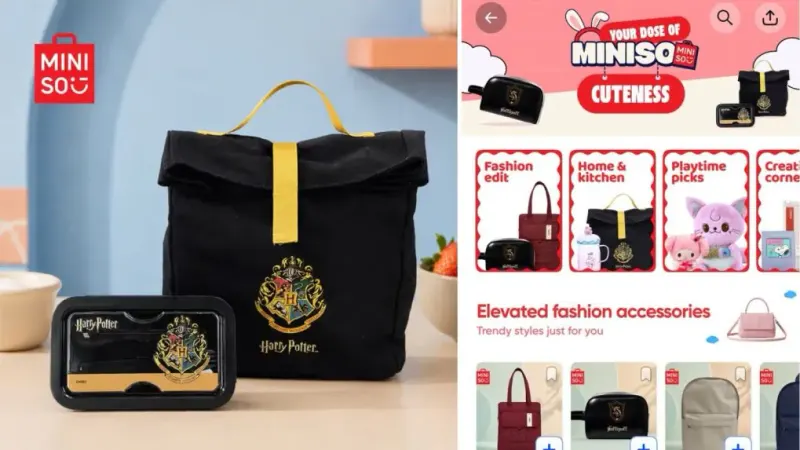
Have you noticed how difficult it is to walk out of a MINISO store without buying something? You might go there just to look around. You don't need anything specific, but the cute aesthetics pull you in to buy something you never planned. And maybe that's the behavior that can save quick commerce, or at least give it a unique moat: the impulse purchase. MINISO's aesthetic appeal is what makes this partnership interesting.
And maybe that's why Swiggy Instamart added 90+ MINISO products to its platform across key metros in India. You can now get everything from stationery, bags and water bottles to toys and collectibles from Harry Potter, Hello Kitty, Disney's Stitch, My Melody and Kuromi, delivered to your doorstep in less than 20 minutes.
If you don't know MINISO, it is a global lifestyle retailer that has built a pretty interesting business around small, affordable products that are functional but also fun and design-led.
This made us curious on Philonet, so let me break it down for you based on the discussion on the platform.
What makes it interesting for Instamart to onboard MINISO?
MINISO has thousands of products, but Instamart isn't putting the whole catalogue into its dark stores. They're including only 90+ products in their initial assortment, focused on categories like toys, stationery, accessories and popular IP merchandise. And this can be huge because it can actually bring a paradigm shift in quick commerce. These dark stores need to turn their inventories real quick. They cannot afford to stock products that sit around for months. So Instamart found this opportunity to identify and stock the products that people are most likely to buy quickly on a quick commerce platform.
And there is a pretty obvious economic reason to do this. Our research on Philonet estimates MINISO's product gross margins at around 35-50%, although physical stores eventually make closer to 10-18% net margins after rent, staff, royalties and other costs. For quick commerce, the interesting comparison is that groceries typically have much lower take rates of around 12-15%, while lifestyle merchandise can be around 25-30% or higher.
So imagine you're already ordering ₹500 worth of groceries and adding a ₹400 MINISO product. The delivery cost would remain the same, but it increased your basket size, making it much more profitable for the company. That's probably the first reason Instamart wants MINISO.


But why would people buy MINISO from quick commerce?
If this is a question that comes to your mind, that's pretty valid. Quick commerce is supposed to be for unplanned purchases, not a destination brand. Rohit, a consultant from EY Parthenon, brought up a really good point in the discussion saying there is one category where MINISO fits surprisingly well which is gifting. Because if you notice, quick commerce hasn't really cracked planned gifting so far. If you're buying a wedding gift or a carefully curated hamper, you want choice and uniqueness, and dark stores can't economically keep thousands of slow moving products around. But gifting doesn't always work that way.

Sometimes it's a friend's birthday you almost forgot, sometimes you're visiting someone, or sometimes there's a celebration happening in your apartment and you don't want to show up empty handed. That's where a ₹300-800 MINISO product can work. A Stitch toy, Hello Kitty accessory or Harry Potter mug is inexpensive, recognisable and still feels like a proper little gift. The IP makes it more interesting than simply buying another generic product. And in these situations, 10-minute delivery is more than just convenience. It's the exact reason why you'd make the purchase at all.
This could change what we open quick-commerce apps for
Today, most of us still open Blinkit, Zepto or Instamart because we need something immediately. That's the habit quick commerce has built. But now if they can make us open these apps when we don't actually need anything, it's a huge win for them. And Instamart's move with MINISO is an interesting step in this direction because it brings something that grocery shopping doesn't: product discovery. And perhaps that's where quick commerce is heading. What do you think about this?
Ready to join the thinking revolution?